3D Printers Powered by
Laser Control and Software
SLM Metal AM (AnyX-M Series) and SLA Photopolymerization (AnyX-S Series) —
Powered by laser control technology and dedicated software.













Completing 3D Printers with
Precision Laser Control Technology
CSCAM Co., Ltd. develops world-class 3D printers based on accumulated laser-control and software expertise. Under the 3D Printing business, we operate two technology lineups.
Innovative SLM Metal 3D Printers
Optimized metal 3D printer solutions
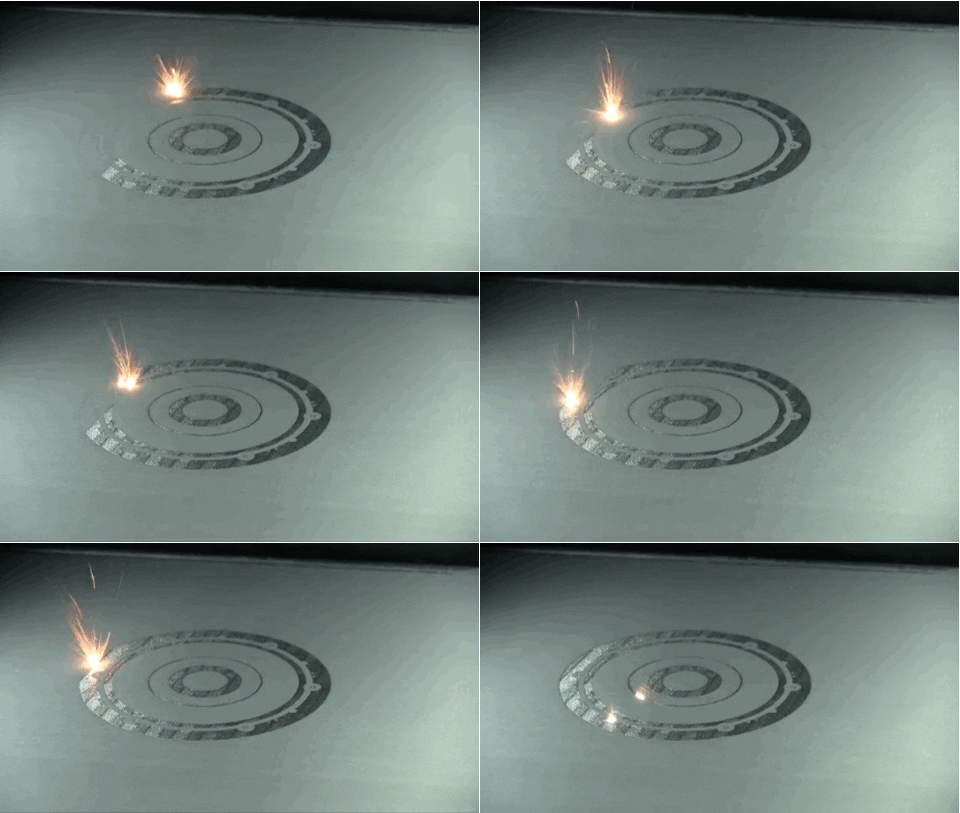
The AnyX Series provides four SLM (Selective Laser Melting) metal 3D printer models, from compact to extra-large, to meet a wide range of customer requirements.
It selectively melts metal powder with a CW fiber laser to build precise three-dimensional forms layer by layer.
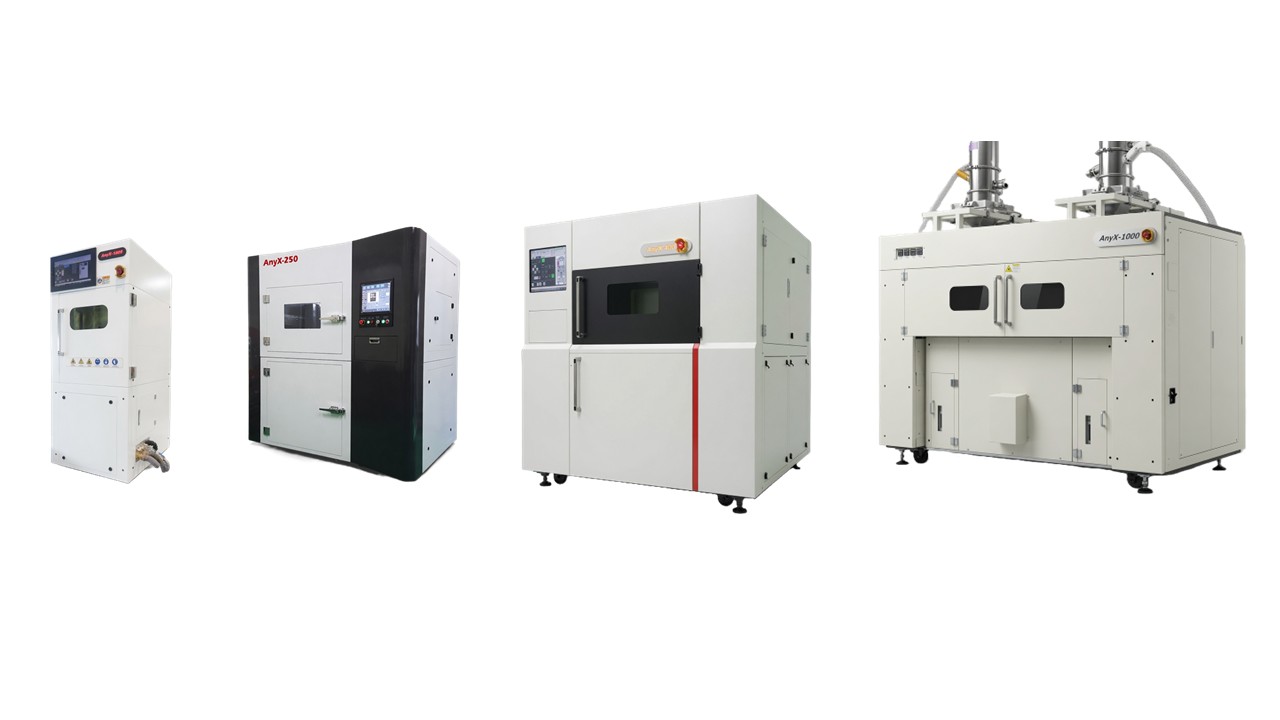
The AnyX-M Series is an L-PBF (Laser Powder Bed Fusion) metal 3D printer lineup equipped with precision lasers, capable of producing everything from micro parts to extra-large aerospace components.
- 01 Compact / Mid-size / Large / High-precision SLM metal powder 3D printers
- 02 Innovative design with 3 modules (SLM · Builder · Post)
- 03 Wide range of sample production for medical, education, and more
- 04 Single-cycle production — equipped with automatic powder feeder
- 05 Easy part removal and powder exchange design
- 06 Dedicated CNC & CAM system support (HX2.0, CS_Laser 3D)
- 07 Various optional peripherals (N₂ generator, sieve, fume collector, cleaner, etc.)
AnyX-M Series Product Lineup
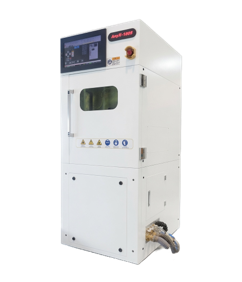
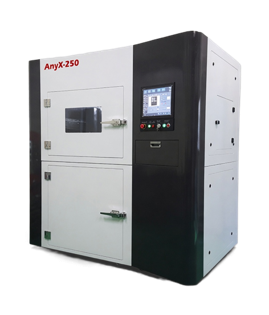
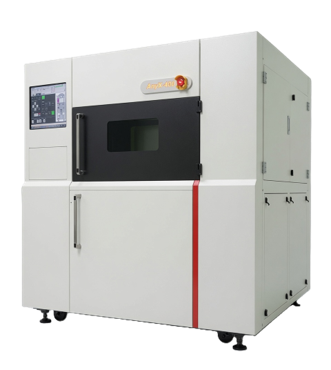
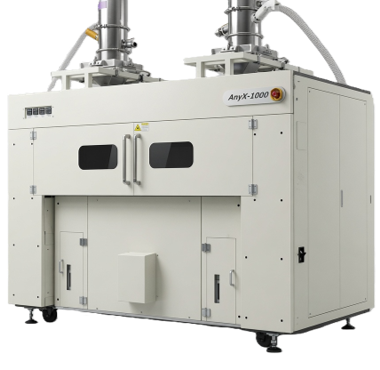
AnyX-180M 스펙 시트
AnyX-250M 스펙 시트
AnyX-400M 스펙 시트
AnyX-1000M 스펙 시트
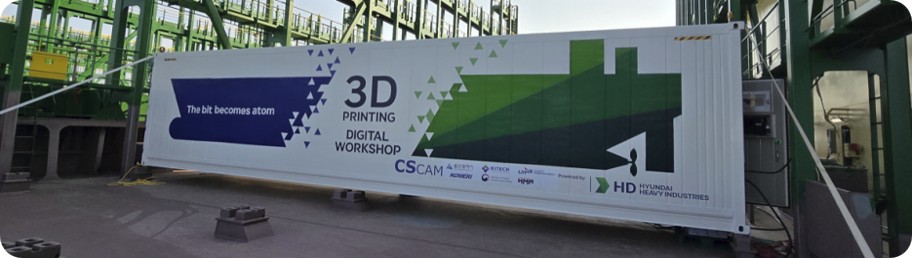
3D Printing Digital Workshop
A 40-ft marine container integrates an AnyX SLM system with powder handling and post-processing equipment as a mobile all-in-one metal 3D printing workshop. It includes an active compensation system for severe disturbances such as vibration, waves, and vessel rolling, plus sealed temperature and humidity control, enabling verified production of precision metal parts for MRO even in actual marine environments.
Verified aboard HD Hyundai Samho Heavy Industries hull 8223 (HMM GREEN), with marine printing demonstration and material-property data secured.
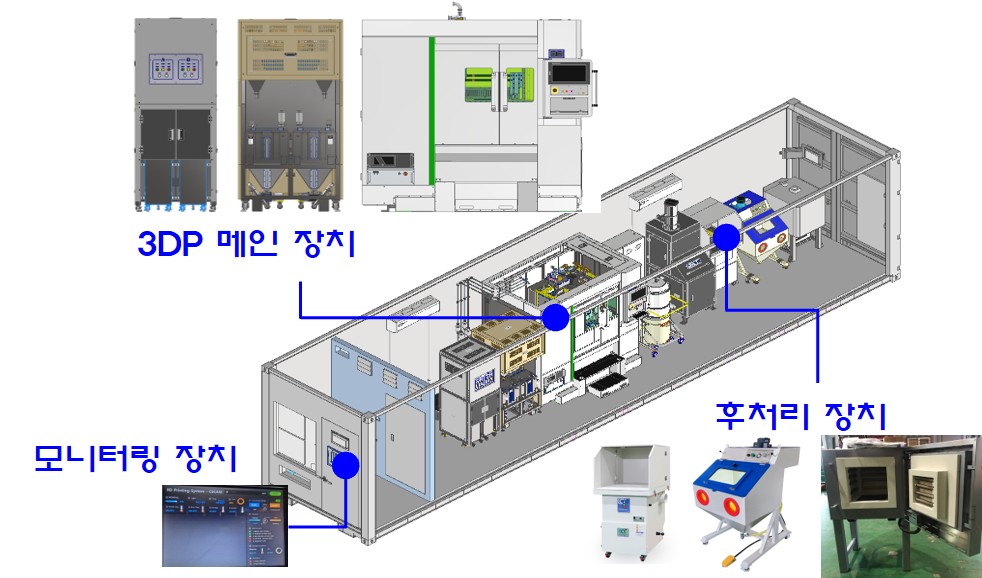
[Open the video directly in a new window]

Verified Metal Powders and Precision Management
Osprey® Metal Powder
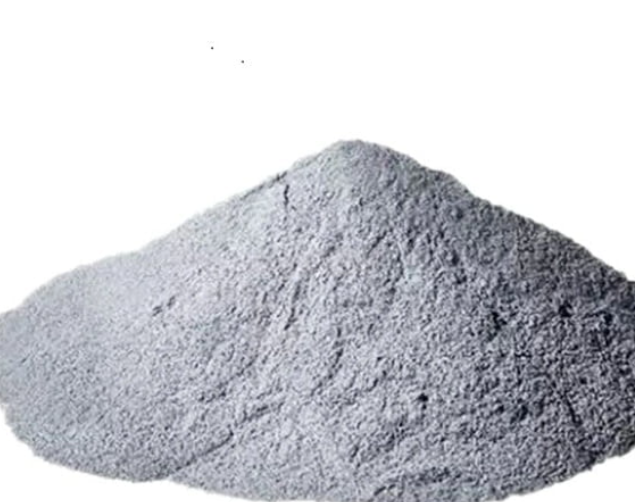
CSCAM handles Sandvik Osprey® gas-atomized metal powders, which offer excellent sphericity and flowability for precision SLM processing. We also maintain internally verified material options for aerospace, medical, power-generation, and other industries, and recommend suitable materials and process conditions for each part specification.
Osprey Powder DataSheet · PDF
Handling System
Built-in Heater Module
A humidity-control heater module is standard across the entire lineup (AnyX-180M to 1000M) to prevent quality degradation from powder moisture absorption.
Constant Temperature & Humidity Storage
Maintains constant temperature and humidity from storage to supply, ensuring uniform powder properties.
Powder Sieving & Recovery System
Sieves and recovers unused powder after printing, increasing recyclability and preventing contamination.
Inert Gas (N₂) Environmental Control
Maintains a low-oxygen chamber environment via an N₂ generator to minimize metal powder oxidation.
AnyX-M Series Applications
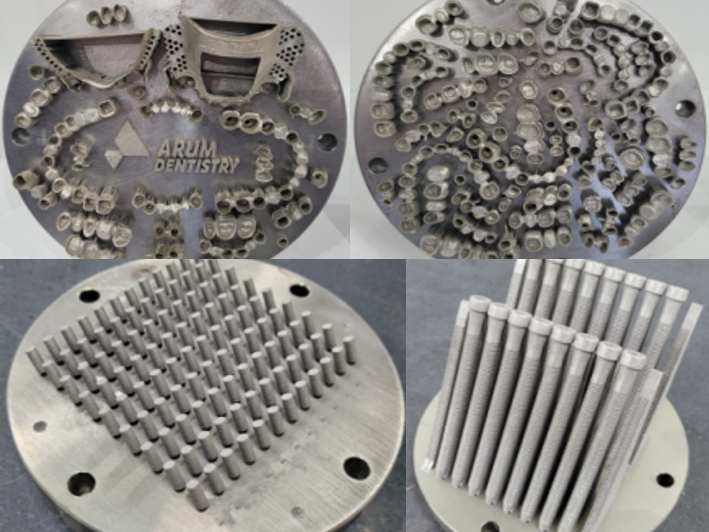
Medical · Dental
Delivers unparalleled precision among dental processing equipment. Using biocompatible materials such as Stainless Steel, Titanium, and Cobalt Chrome, custom implants, crowns, and all dental prosthetics can be fabricated precisely. Integrated with scan-data-based digital workflows for fully patient-specific anatomical production, with lattice and porous structures that improve osseointegration. Optimized for high-mix low-volume production to support same-day response at dental labs and hospitals, with certified material traceability meeting medical device quality requirements.
Power · Nuclear (SMR)
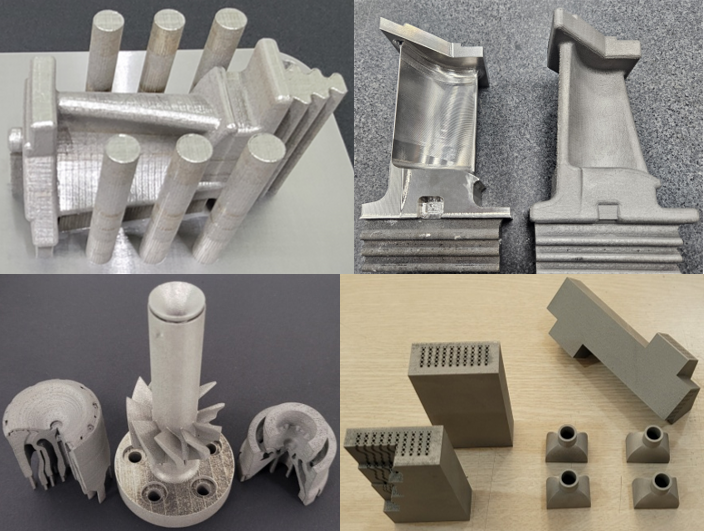
Precision components with complex internal geometries, like reactor parts, are designed and produced seamlessly to greatly enhance structural safety. Special powders such as ceramics and carbon composites are used to reliably fabricate neutron-absorbing pressure vessels and meter-scale key power generation parts. Specialized in Ni-based superalloys such as IN625 and Hastelloy X for corrosion resistance and mechanical properties under high temperature, pressure, and radiation. Contributes to domestic supply chain localization for Korea's nuclear industry with rapid prototyping aligned to SMR design cycles.
Tire Mold
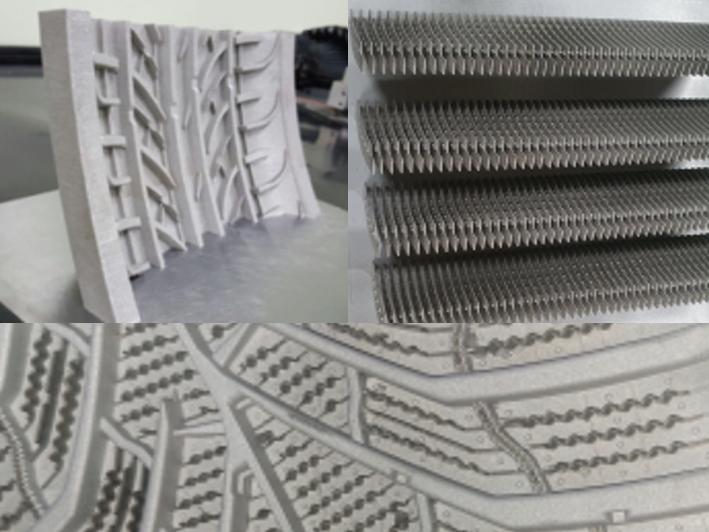
Tire molds with complex 3D sipe and micro-vent structures are produced as one-piece and support custom production. Freed from machining constraints, complex geometries can be quickly tested and developed at low cost. Maraging Steel printing ensures mold surface hardness and wear resistance for longer production life, while micro-vent hole precision reduces molding defect rates. Identical data used from prototype to mass-production mold eliminates dimensional deviation, significantly shortening development lead time.
Automotive · Precision Parts
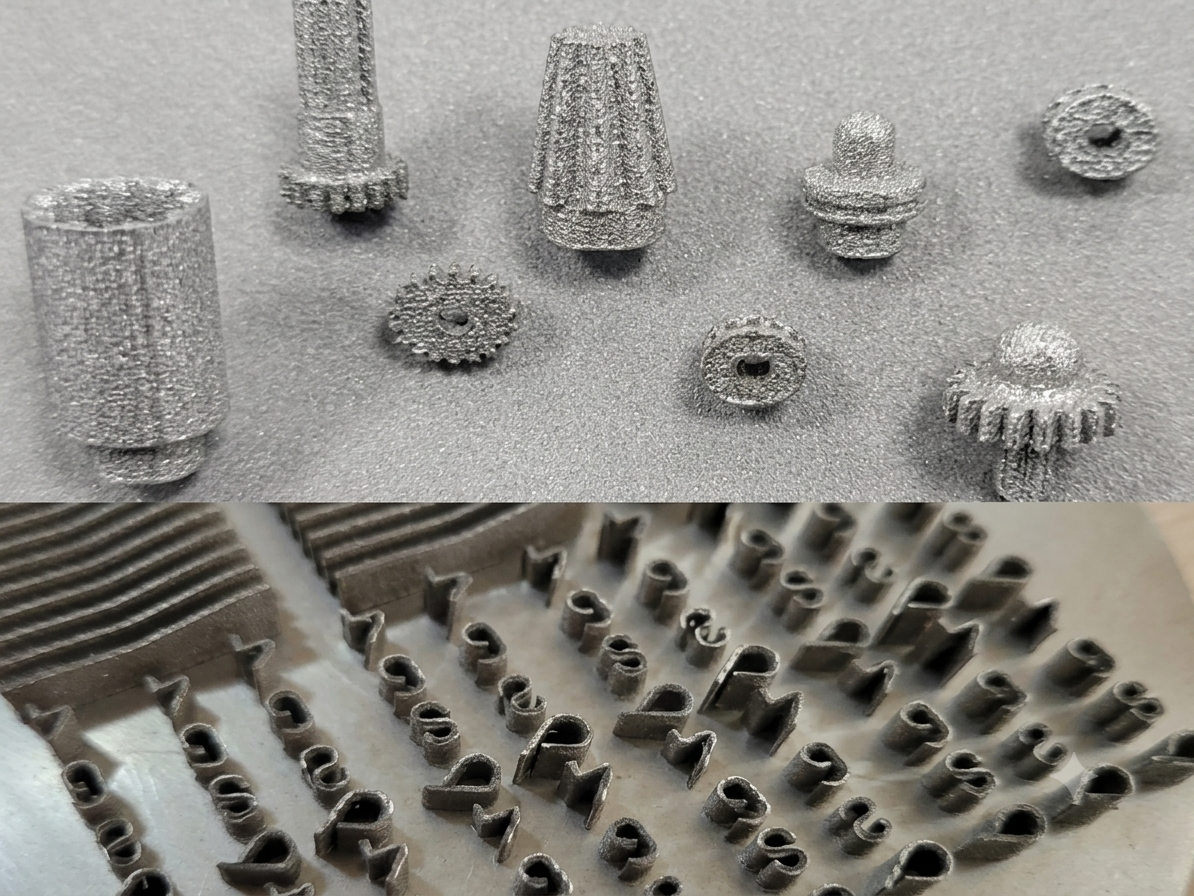
Precisely controls strength and weight of automotive parts to effectively manage inertia and innovatively improve geometric form. Compared to conventional machining, complex structures are designed and produced at high speed, shortening quality validation cycles and optimizing part manufacturing costs. Topology-optimized designs can be directly realized, simultaneously achieving lightweighting and rigidity, and suitable for high-mix low-volume prototypes, jigs, and fixtures. Immediate shape verification without mold investment during early design stages with frequent changes accelerates R&D decision-making.
Aerospace · Space
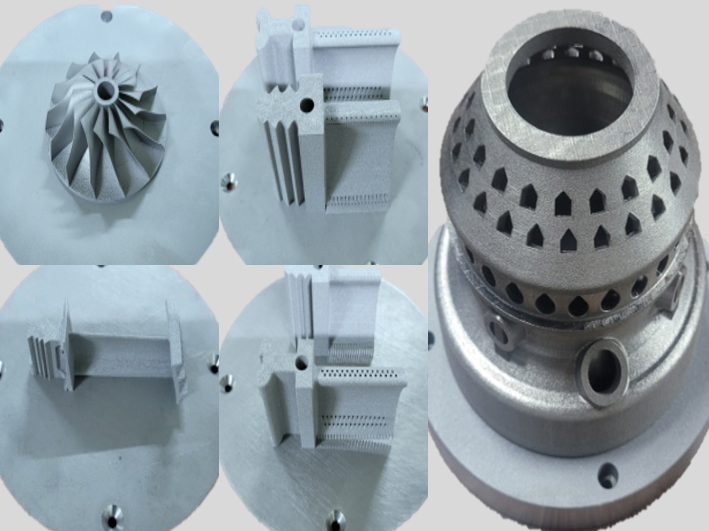
Maximizes productivity by fabricating high-strength, heat-resistant metal parts specialized for the harsh aerospace environment using cost-effective additive manufacturing. Complex monolithic hollow structures and micro-channel parts impossible with traditional machining are mass-produced with perfect surface finish and optimal material properties. Relative density of aerospace-grade superalloys such as IN625 and IN718 verified above 99.5% as-built, achieving a final 99.9% ultra-density through HIP post-processing, while part consolidation reduces assembly processes and joint risks. Achieves rapid shape verification and lightweighting simultaneously without tooling in high-mix low-volume launch vehicle and satellite component development.
SLM Installation and Operation Sites
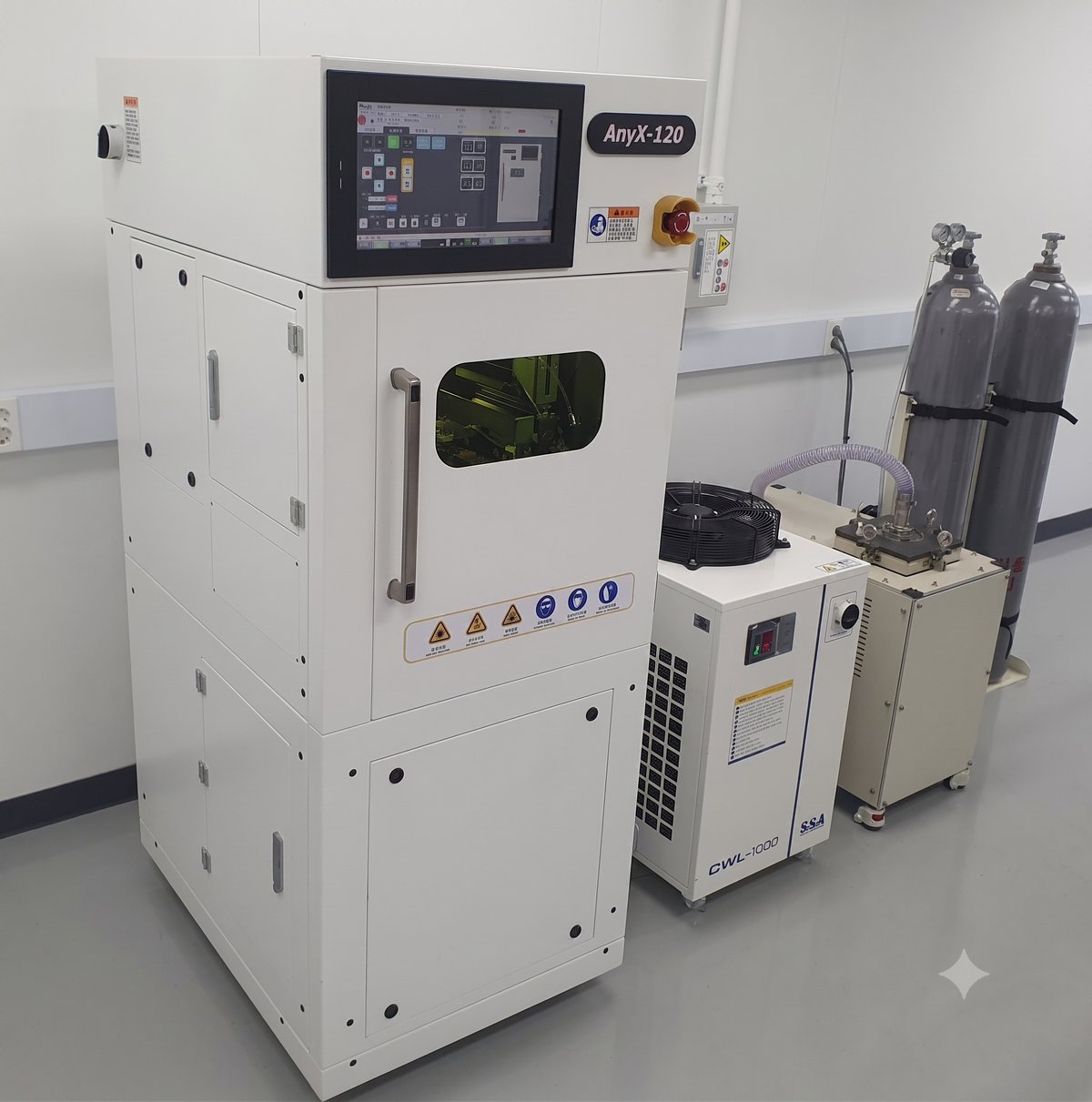
Kyung Hee University Training Lab
Educational training line for cultivating next-generation additive manufacturing specialists
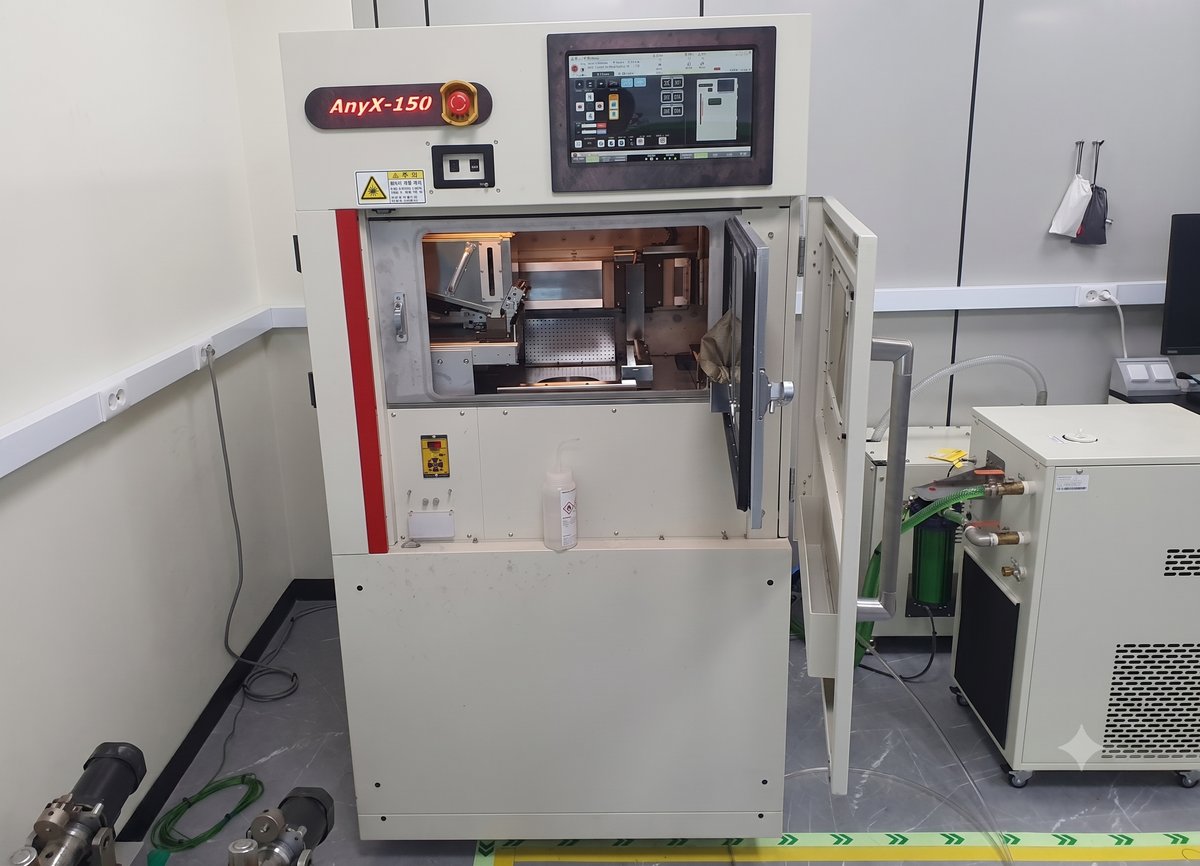
Chosun University Lab
Multiple installations for precision part fabrication practice and curriculum operations
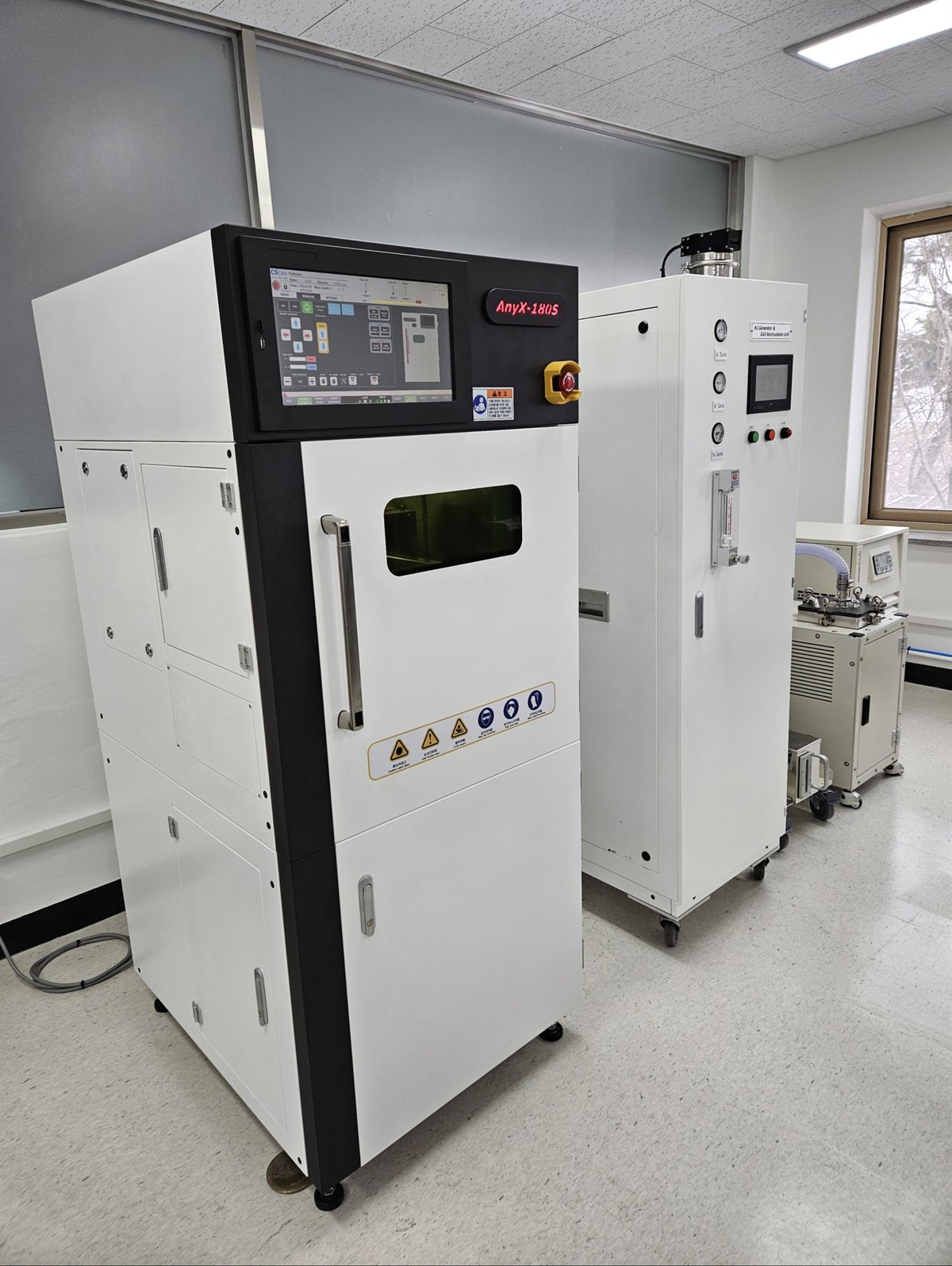
Korea Polytechnic University Lab
Lab installation for hands-on vocational training curriculum
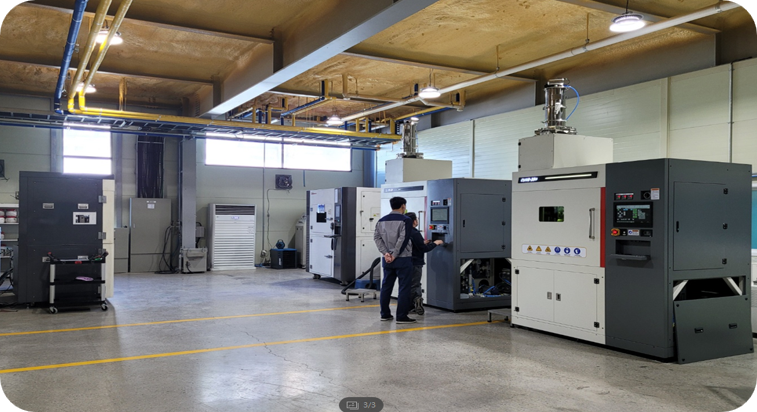
dynamic design Tire Mold Production Room
Mass production site running 10+ machines for tire mold components
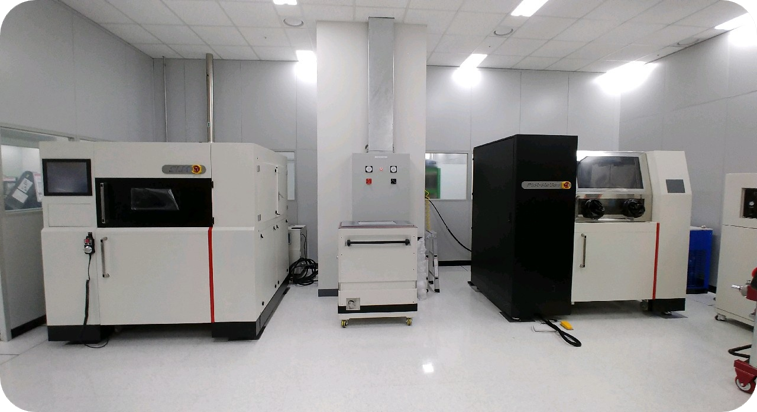
LG Electronics Production Technology Center Prototype Lab
High-precision prototype manufacturing R&D line for new product development
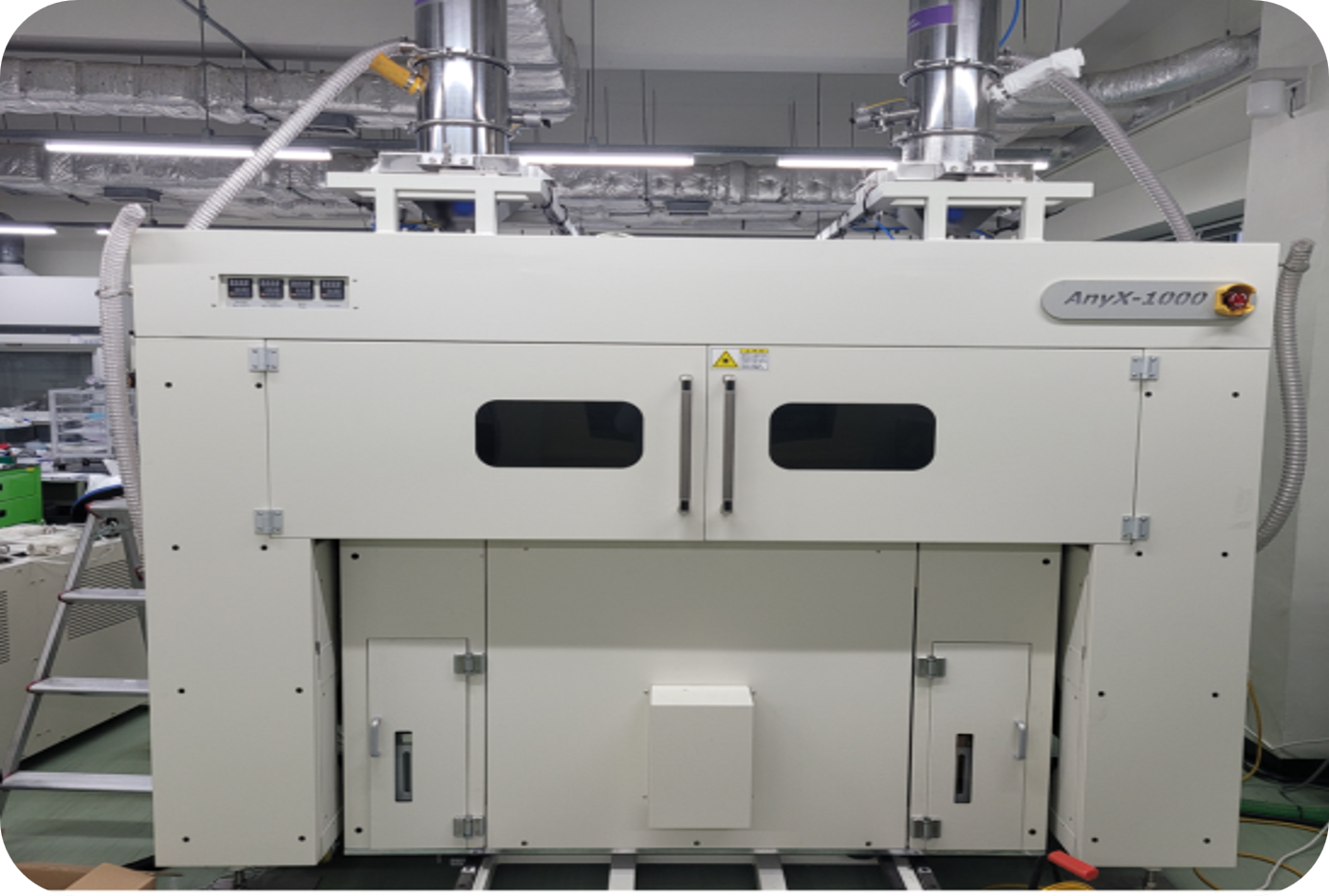
KAERI (Korea Atomic Energy Research Institute) Prototype Lab
World's first PBF-type 3D printer for 1m-scale parts, jointly developed here
are built into the AnyX-M Series
Based on experience developing laser-processing equipment, CSCAM configures the optics and control software for SLM metal 3D printers with high precision. The AnyX-M Series is proven in real operating environments, from universities such as Kyung Hee University and Chosun University to industrial and research sites including LG Electronics and KAERI.
AnyX-M Series Downloads
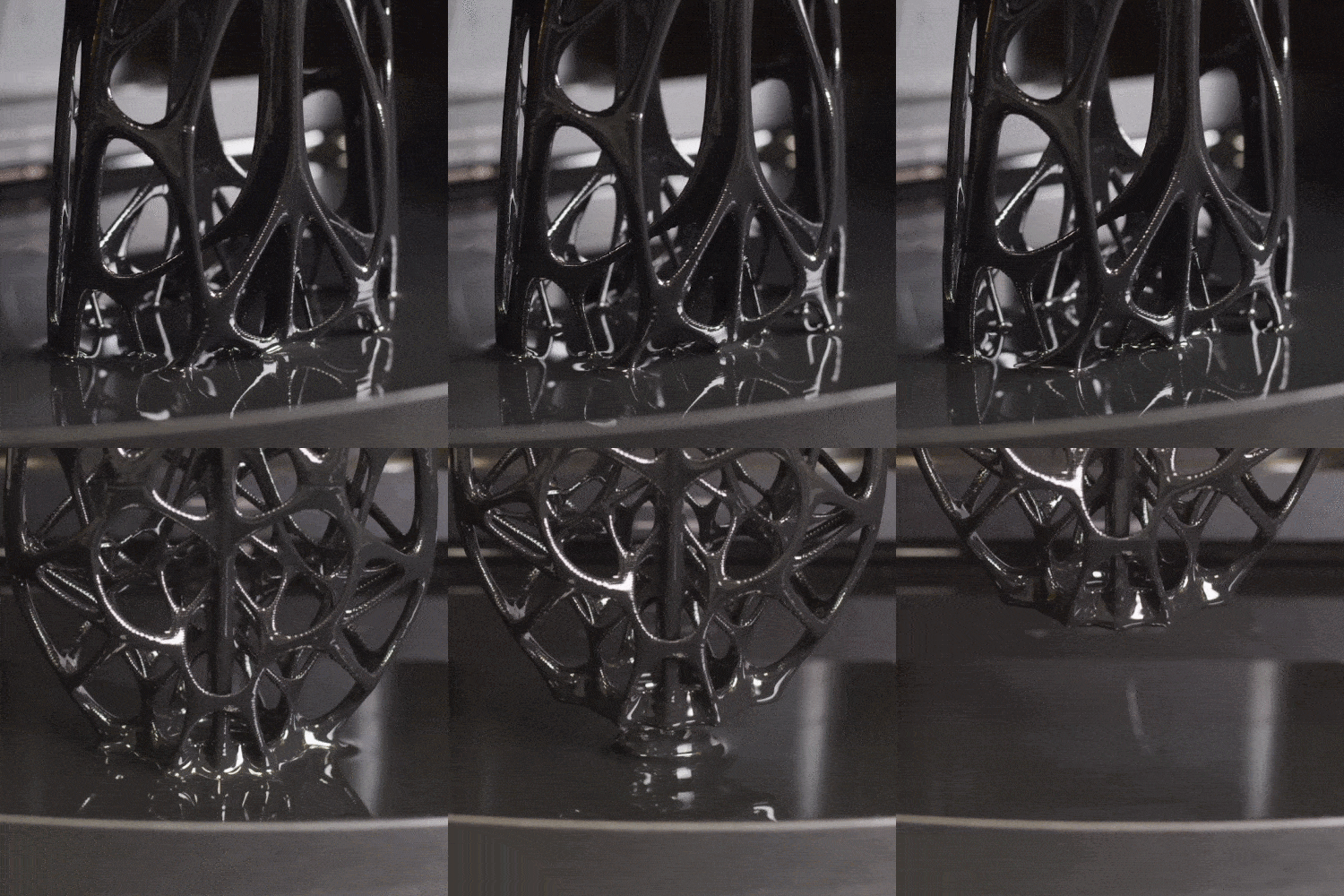
AnyX-S Series
SLA Photopolymerization 3D Printers
[ AnyX-S Series ] Data preparation and update pending
CAM & Control Software
The full SLM (AnyX) and SLA (AnyX-S) lineups operate within CSCAM's dedicated software environment.
CSCAM dedicated CAM software handles build-data generation, slicing, and marking for both AnyX-M Series (SLM) and AnyX-S Series (SLA).
▶ 3D Printing CAM
- · SLM · SLA print data generation
- · Cross-section slicing · support generation
▶ Geometry Visualization
- · STL file interface
- · Surfaces & curves (STEP, IGES)
▶ Utility Functions
- · Model display & inspection
- · Coordinate transformation
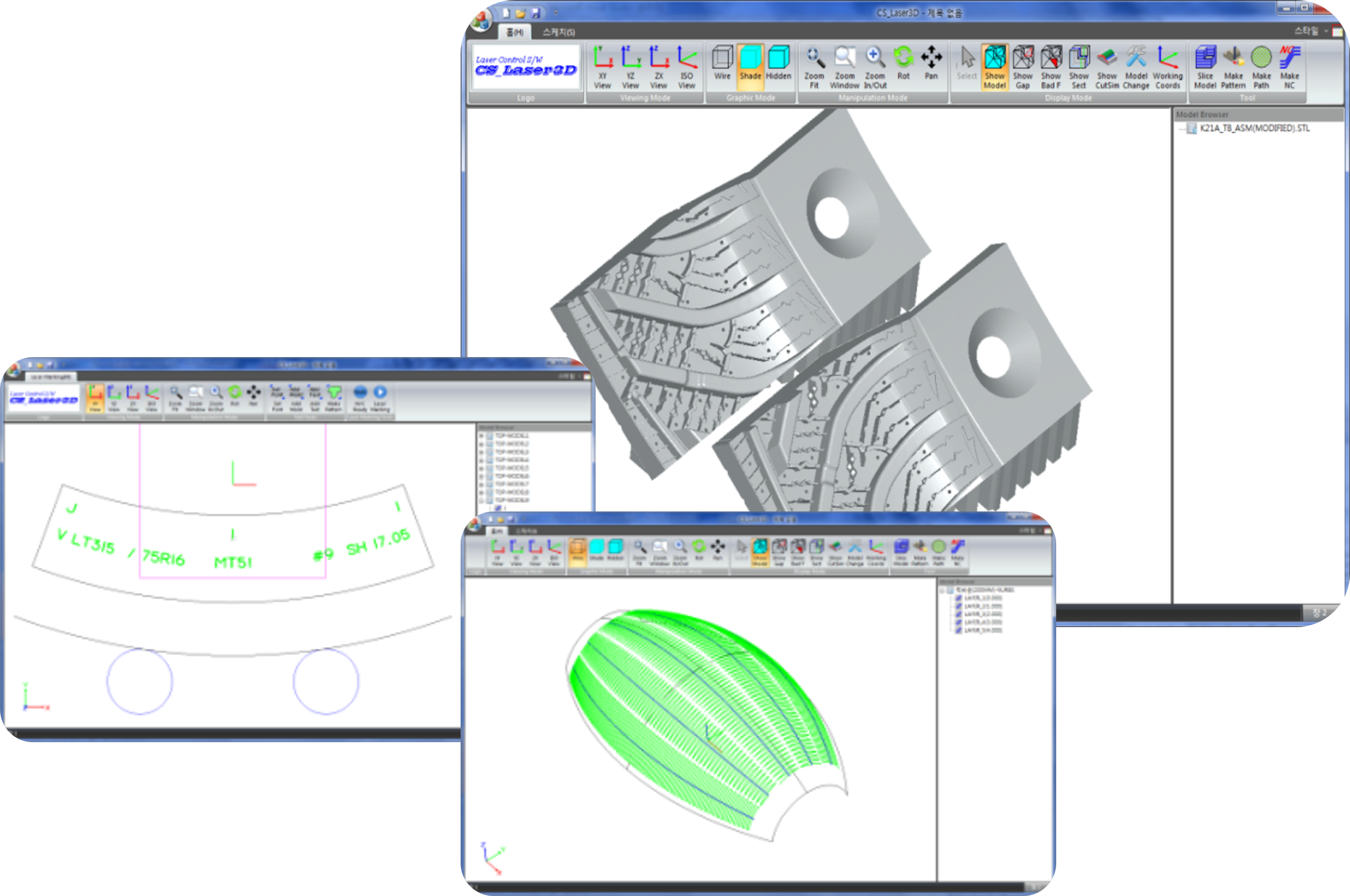
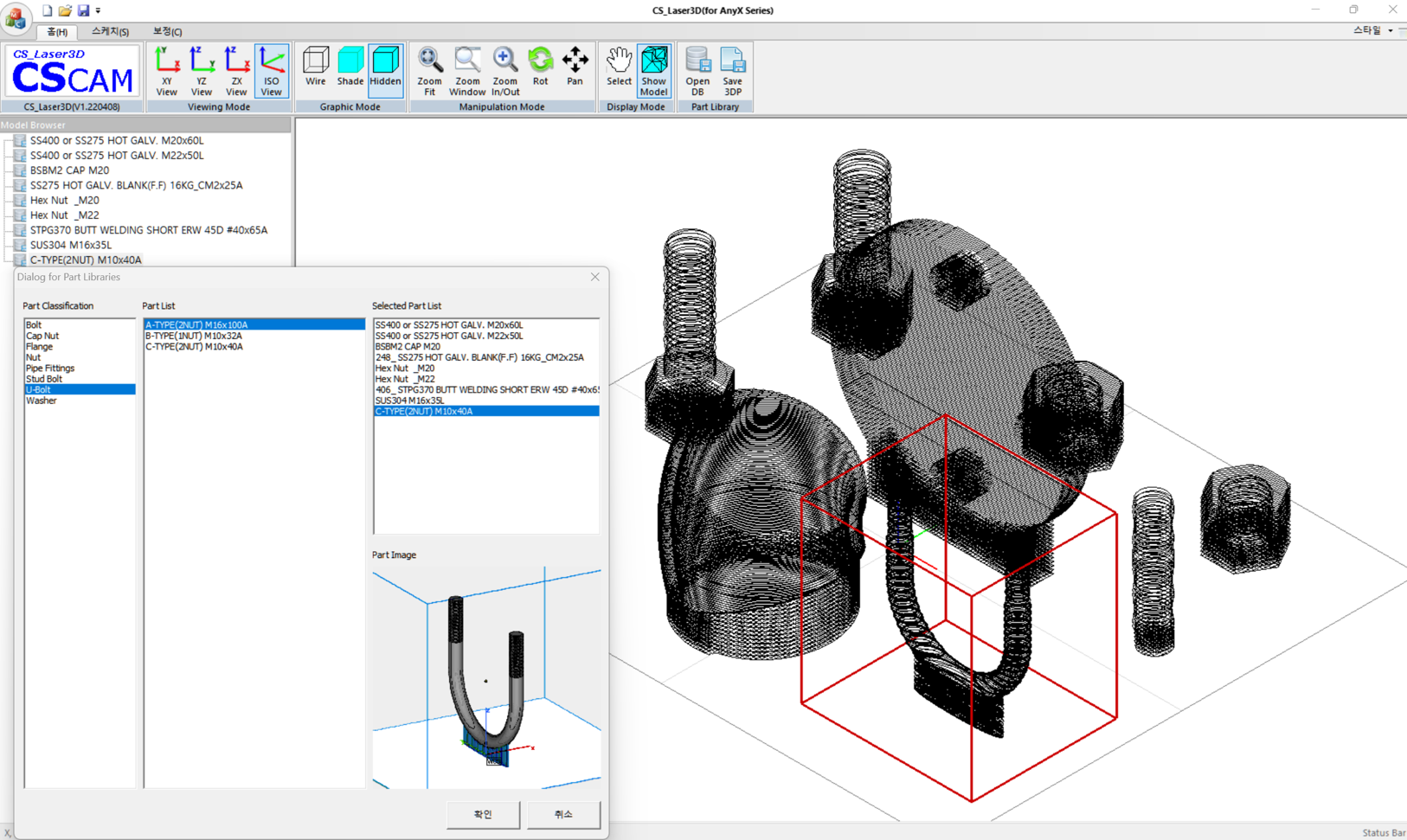
7-step process workflow for non-specialist operation
Data Selection
Identify target part by selecting STP or STL file
Part Layout
Optimal part placement and build slicing via CS_Laser 3D
Powder Check
Verify metal powder condition and moisture in build chamber
One-Click Start
One-click process initiation via dedicated CS_Laser 3D software
Real-time Monitoring
O₂ concentration (≤0.1%), temperature/humidity, and per-layer quality monitoring
Post-processing
Powder removal, support removal, and sandblasting after build completion
Log Storage
Quality assurance via DB sync of print conditions and machine operation history
Major 3D Printer Customers
Leading Korean corporations, national research institutes, and universities use CSCAM 3D printers for research, development, and production.